Neuroprotective patterning
Understanding the Body’s Protective Intelligence
The nervous system is constantly responding to what we experience, both internally and externally. When it perceives threat, stress, overwhelm, or the need for greater protection, it can organize the body in ways that help us adapt and navigate to what is happening. These responses can influence muscle tension, breathing, posture, movement, sensation, digestion, heart rate, emotional experience and our capacity to connect and engage with the world around us.
Over time protective responses can become familiar ways of being in the body. What was once an adaptive response can become a deeply established pattern that continues even when the original circumstances have changed. NeuroProtective Patterning explores these patterns not as something wrong with the body, but as intelligent adaptations of the nervous system. It also offers a way to become more aware of how those patterns are expressed, how they shape our experience, and how the body may begin to find new possibilities for response.
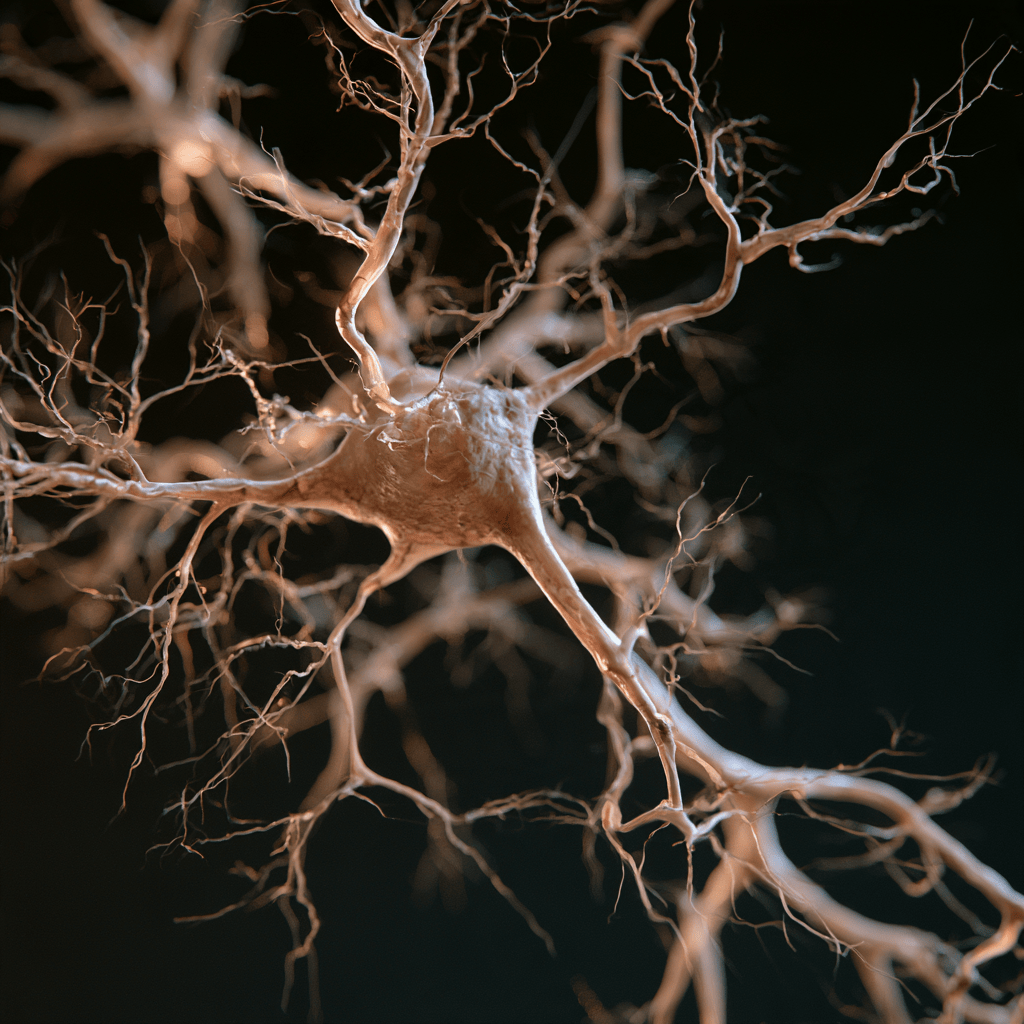
Types of NeuroProtective Responses & Patterns
A neuroprotective response is the nervous system’s immediate way of adapting to what it perceives as threatening. When a particular response is activated repeatedly, it can become more familiar and automatic, eventually developing into a neuroprotective pattern that shapes how we move through the world and experience our bodies.
Most people are familiar with the four commonly described protective responses: fight, flight, freeze, and fawn. While these offer a useful way to understand how the nervous system responds to perceived threat, there are many ways protection can express itself in the body and in our lived experience. Below are seven neuroprotective responses that can help illuminate some of these different patterns.
the 7 Responses
- Flight: When threat is perceived, we move away or flee. When flight becomes a neurological pattern, we may feel spacey, ungrounded, disconnected from the body, or highly sensitive to our environment and bodily sensations.
- Fuse: When threat is perceived, we move toward another person or source for soothing. When fuse becomes a pattern, we may struggle to self-soothe, have difficulty sensing our own boundaries or sense of self, and rely heavily on others or external sources for regulation.
- Fawn: When threat is perceived, we move toward another person again like we do in Fuse, but instead of trying to get our needs met from them we instead take care of their needs in attempt to get our own needs met. When this becomes a pattern, we become highly attuned to others while overlooking our own needs, have difficulty asking for help, and present as though we don’t need anyone.
- Fight: When threat is perceived, we move our energy up and outward to confront, control or overcome what feels threatening. When fight becomes a pattern, we may feel a strong need to be in control, dominant, or be in charge, while vulnerability, submission, or exchange can feel unsafe.
- Freeze: When threat is perceived, we become still and turn our energy down and inward. When freeze becomes a pattern, we may have difficulty taking action, expressing ourselves or moving forward, eventually experiencing stagnation, resignation or disconnection from our vitality.
- Fluctuate: When threat is perceived, we move back and forth between approaching and withdrawing, connection and separation. When fluctuation becomes a pattern, we may feel hot and then cold, engaged and then distant, wanting connection while simultaneously wanting to hide.
- Fence: When threat is perceived, we tighten, contain and create boundaries around ourselves. When this becomes a pattern, we may become highly controlled or perfectionistic, rely on black-and-white thinking and lose touch with our own inner feeling, intuition, and sense of self.
You Are Not Your Protective Patterns.
You Are the One Who Can Become Aware of Them.
Common Signs of NeuroProtective Patterning
NeuroProtective patterning can be subtle. You may not experience it as a “problem” at all, especially when a pattern has been present for so long that it feels like simply who you are. Here are some common things that people notice in NeuroProtective Pattering.
In the Body
- Persistent muscle tension or holding
- Difficulty fully relaxing
- Shallow or restricted breathing
- Feeling disconnected or hyper aware of bodily sensations
- Restlessness or difficulty being still
- Feeling chronically depleted or low in energy
In Emotions & Inner Experience
- Difficulty identifying what you feel or need
- Emotional reactivity or emotional flatness
- Feeling overwhelmed by internal sensations or emotions
- Difficulty accessing joy, pleasure, or vitality
- Feeling disconnected from yourself
In Relationships
- Difficulty with boundaries
- Over-accommodating others
- Difficulty asking for or receiving support
- Need for control
- Pulling away from connection
- Alternating between wanting closeness and wanting distance
In Everyday Life
- Constant doing or difficulty slowing down
- Hypervigilance or heightened sensitivity
- Perfectionism or rigid thinking
- Difficulty making decisions
- Feeling stuck despite wanting to move forward
- A sense that you’re functioning well on the outside but don’t feel fully present on the inside
None of these experiences mean something is wrong with you. They are ways your nervous system has learned to protect you. If you recognize these patterns in yourself, Network Spinal can help you bring greater awareness to how your nervous system is responding and create opportunities for new, more adaptive patterns to emerge.